

Planning a trip to Korogwe and the wider Tanga Region? Understanding the local Korogwe weather patterns is essential for making the most of your visit. Located in northeastern Tanzania along the Pangani River valley, Korogwe enjoys a tropical climate that makes it a welcoming destination throughout much of the year. This comprehensive guide will help you choose the best time to visit Korogwe based on your travel preferences and planned activities.
Korogwe’s Tropical Climate
Korogwe sits at a relatively low elevation in the Pangani River basin, surrounded by the foothills of the Usambara Mountains to the west and the coastal lowlands stretching toward the Indian Ocean to the east. This geographic position gives the town a warm tropical climate with distinct wet and dry seasons. Average temperatures hover between 22°C and 32°C year-round, with humidity levels that vary depending on the season. The nearby Usambara Mountains create a microclimate effect, sometimes drawing moisture-laden clouds that produce afternoon showers even during drier periods.
The Dry Season: June to October
For most visitors, the dry season from June to October represents the ideal window to explore Korogwe and the Tanga region climate at its most pleasant. During these months, rainfall is minimal, skies are predominantly clear, and temperatures are slightly cooler and more comfortable, typically ranging from 20°C to 28°C. This is the perfect time for outdoor activities such as hiking in the Usambara Mountains, exploring the Pangani River, or simply enjoying the town’s relaxed atmosphere. Roads and trails are in their best condition, making travel between attractions smooth and enjoyable. July and August tend to be the driest and coolest months, making them particularly popular with visitors from Europe and North America.
The Short Rains: November to December
The short rainy season, locally known as vuli, typically arrives in November and extends through December. During this period, you can expect brief but sometimes heavy afternoon showers, often followed by sunshine. The landscape transforms into vibrant shades of green as vegetation responds to the rainfall. Average temperatures during this season range from 24°C to 32°C, with higher humidity levels. While outdoor activities remain possible, it is wise to plan hiking and river excursions for the morning hours before the afternoon rains arrive. The short rains are generally less intense than the long rains, and many travelers find this shoulder season offers a good balance of fewer crowds and still-pleasant conditions.
The Long Rains: March to May
The long rainy season, known as masika, runs from March through May and brings the heaviest rainfall of the year. April is typically the wettest month, with sustained downpours that can last several hours. Temperatures remain warm at 24°C to 30°C, but the high humidity can make it feel hotter. Some rural roads may become difficult to navigate, and hiking trails in the mountains can be muddy and slippery. That said, this season has its own appeal: the countryside is at its most lush and green, waterfalls are at their most impressive, and accommodation rates are often at their lowest. If you are comfortable with rain and want to experience a quieter, more authentic side of Korogwe, the long rains can be surprisingly rewarding.
The Warm Dry Spell: January to February
Between the short and long rains, January and February offer a brief dry spell with warm, sunny weather. Temperatures can climb to 30°C to 34°C, making these the hottest months in Korogwe. Despite the heat, this is an excellent time for travel as the rains have subsided and the landscape remains green and photogenic from the recent short rains. This period is particularly good for birdwatching, as migratory species are still present in the region. Just be sure to stay hydrated and plan strenuous activities for the cooler morning hours.
What to Pack for Korogwe
Regardless of when you visit, lightweight and breathable clothing is essential for Korogwe’s warm climate. Cotton and moisture-wicking fabrics will keep you comfortable. During the rainy seasons, pack a compact rain jacket and waterproof bag for your electronics. Year-round essentials include sunscreen (SPF 30+), sunglasses, a wide-brimmed hat, insect repellent, and comfortable walking shoes. If you plan to visit the Usambara Mountains, bring a light fleece or sweater as temperatures drop noticeably at higher elevations, even on warm days in Korogwe town.
Best Months for Different Activities
- Mountain Hiking: June to October (dry trails, clear skies)
- Birdwatching: November to February (migratory species present)
- River Activities: June to September (water levels are manageable)
- Photography: November to December (lush green landscapes, dramatic skies)
- Budget Travel: March to May (lower rates, fewer tourists)
Stay Cool at Korogwe Comfort Hotel
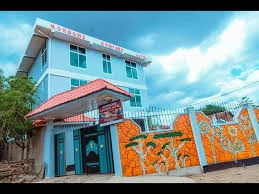
No matter what season you choose to visit, Korogwe Comfort Hotel ensures your stay is comfortable and refreshing. All our rooms are equipped with air conditioning, so you can escape the tropical heat and enjoy a restful night’s sleep any time of year. Combined with our reliable Wi-Fi, on-site restaurant serving fresh local and international cuisine, and friendly staff ready to help you plan your excursions, we provide everything you need for a perfect Korogwe experience.
Ready to experience the beauty of Korogwe in your favorite season? Reserve your room at Korogwe Comfort Hotel and start planning your Tanga Region adventure today.