

One of the most authentic ways to experience life in Korogwe is to spend a morning exploring the town’s bustling central market. Far from the polished shopping centres of Dar es Salaam, Korogwe’s market is a vibrant, colourful, and lively place where locals gather daily to buy and sell everything from fresh produce to handmade crafts. For visitors, it offers a genuine window into the daily rhythms of Tanzanian life and a chance to take home unique souvenirs. Here is your complete guide to shopping in Korogwe’s market.
What You Will Find at the Central Market
Fresh Produce and Spices
The heart of any Tanzanian market is its fresh produce section, and Korogwe’s is no exception. Stalls overflow with tropical fruits — mangoes, bananas, passion fruit, pineapples, and papayas — alongside heaps of vegetables like tomatoes, onions, leafy greens, and cassava. The spice vendors are a particular highlight. Thanks to the Tanga region’s proximity to Zanzibar and the coast, you will find an impressive selection of cloves, cardamom, cinnamon sticks, turmeric, black pepper, and cumin. These spices are sold loose by weight, and the vendors are happy to create custom blends for pilau, biriyani, or chai. The aromas alone make the spice section worth a visit.
Fabrics and Khanga
No visit to a Tanzanian market is complete without browsing the fabric stalls. The most iconic textile is the khanga (also spelled kanga) — a brightly printed rectangular cloth worn by women across East Africa. Each khanga features a unique pattern and a Swahili proverb or saying printed along the border, making it both a garment and a form of cultural expression. Khangas make wonderful gifts and souvenirs, as they are lightweight, beautifully designed, and carry deep cultural meaning. You will also find kitenge fabric, which is heavier and often used for tailored clothing. Many market tailors can sew a custom outfit from your chosen fabric within a day or two.
Local Crafts and Sisal Products
The Tanga region is historically known as the centre of Tanzania’s sisal industry, and this heritage is reflected in the beautiful handwoven products available at the market. Look for sisal baskets, bags, mats, and decorative items, all crafted by local artisans using traditional techniques passed down through generations. These items are both functional and beautiful, making them excellent souvenirs. You will also find wood carvings, beaded jewellery, and other handmade crafts that showcase the artistic talent of the region’s communities. Each piece tells a story and supports local livelihoods.
Bargaining Tips for the Market
Bargaining is an expected and enjoyable part of the market experience in Tanzania. Here are some tips to help you navigate it respectfully and effectively:
- Start friendly. Greet the vendor with a warm “Habari!” (How are you?) before discussing prices. Building rapport goes a long way.
- Ask the price first. Let the vendor name their price before making a counter-offer. A reasonable starting counter is around 50–60% of the initial asking price.
- Stay respectful. Bargaining should be lighthearted and fun, not aggressive. Smile, be patient, and enjoy the interaction.
- Know when to walk away. If you cannot agree on a price, politely thank the vendor and move on. Often, they will call you back with a better offer.
- Carry small notes. Having smaller denominations of Tanzanian shillings makes transactions smoother. Many vendors may not have change for large bills.
Best Time to Visit
The Korogwe market is busiest and most vibrant in the morning hours, between 7:00 AM and 11:00 AM. This is when the freshest produce arrives and the widest variety of goods is on display. The market operates daily, but Saturdays tend to be especially lively as people from surrounding villages come into town to trade. Visiting early also means cooler temperatures, which makes the experience far more comfortable. By midday, many vendors begin to pack up, and the selection thins out considerably.
Market Etiquette
A few simple courtesies will help you have a positive market experience. Always ask permission before photographing vendors or their stalls — most people are happy to oblige, but it is respectful to ask first. Dress modestly, as Korogwe is a predominantly Muslim town, and conservative clothing shows cultural awareness. Keep your belongings close in crowded areas, though the market is generally safe and welcoming. Finally, learning a few Swahili phrases — such as “Bei gani?” (What is the price?) and “Asante sana” (Thank you very much) — will earn you warm smiles and possibly better prices.
Nearby Shopping
Beyond the central market, Korogwe has several small shops and duka (general stores) along the main road where you can find everyday items, mobile phone accessories, and packaged goods. There are also a few dedicated craft shops near the town centre that cater specifically to visitors, offering curated selections of local art and souvenirs at slightly higher but fixed prices — a good option if you prefer not to bargain.
Your Base for Exploring Korogwe
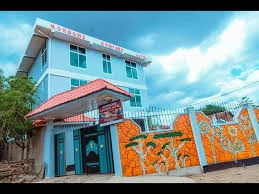
Korogwe Comfort Hotel is centrally located, making it the perfect base for a morning market visit and an afternoon of exploring the town. After a rewarding shopping trip, return to the hotel to relax, enjoy a meal at our restaurant, and plan your next adventure. Our friendly staff can also offer tips on the best stalls and help arrange local experiences.