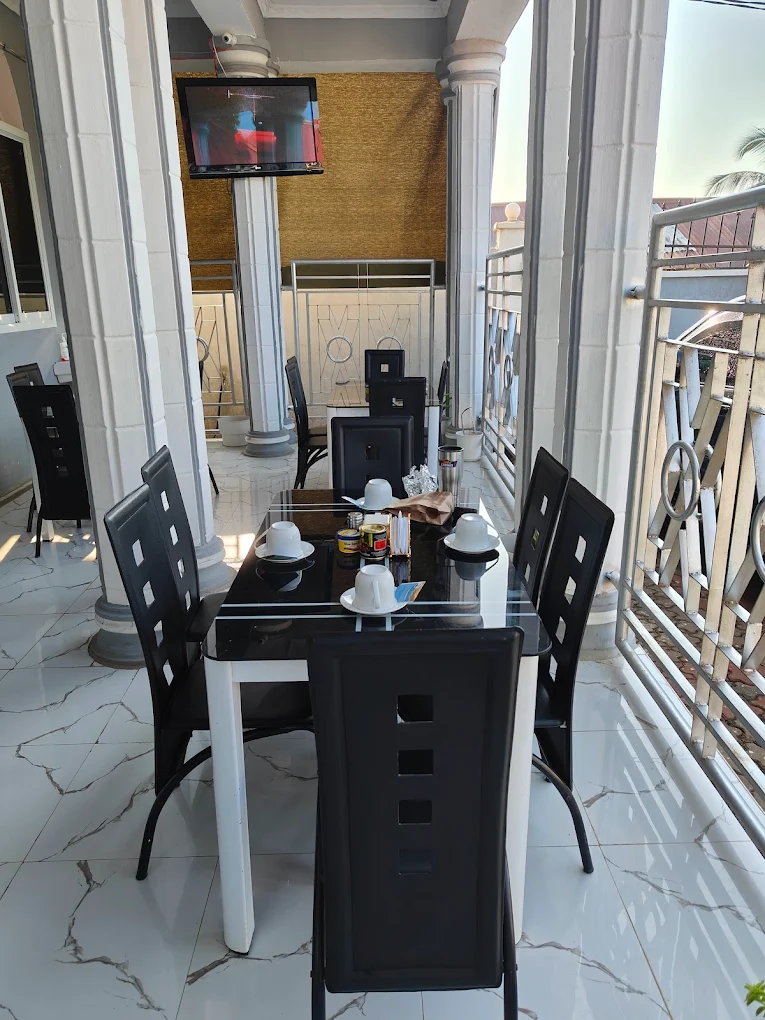

The rich volcanic soils and tropical climate of the Tanga region create perfect conditions for cultivating some of Tanzania’s finest coffee and tea. From the bustling local cafés in Korogwe to the sprawling plantations in the Usambara Mountains, this region offers visitors an authentic taste of East African beverage culture that has been perfected over generations.
The History of Coffee and Tea in Tanga
Coffee cultivation in the Tanga region dates back to the German colonial period in the early 1900s, when arabica varieties were first introduced to the fertile highlands. The combination of altitude, rainfall, and rich volcanic soil proved ideal for producing high-quality beans with distinctive flavor profiles. Tea production followed shortly after, with large estates established in the cooler mountain areas where the crop thrives.
Today, coffee tea Tanga represents more than just agriculture – it’s a cornerstone of local culture and economy. Small-scale farmers work alongside larger estates, creating a diverse landscape of cultivation methods and flavor varieties that make the region famous throughout Tanzania and beyond.
Coffee Culture and Varieties
Local Coffee Beans and Processing
The Tanga region produces primarily arabica coffee, known for its smooth taste and lower acidity compared to robusta varieties. Local farmers use both wet and dry processing methods, with many preferring the traditional sun-drying technique that enhances the beans’ natural sweetness and complex flavor notes.
Visit local coffee cooperatives around Korogwe to witness the entire process from cherry to cup. The Mbuzii Cooperative, just 20 minutes from about Korogwe Comfort Hotel, welcomes visitors for guided tours where you can see farmers sorting, washing, and drying beans using methods passed down through generations.
Traditional Coffee Ceremonies
In local communities, coffee preparation is often a social ritual. The traditional method involves roasting green beans over an open flame, grinding them by hand using a mortar and pestle, then brewing the coffee in a clay pot called a ‘jebena.’ This ceremony can take up to an hour and represents hospitality, community bonding, and respect for the crop that sustains many families.
Tea Plantations and Varieties
The Usambara Tea Gardens
The cooler climate of the Usambara Mountains, easily accessible from Korogwe, hosts some of Tanzania’s most productive tea estates. These high-altitude plantations produce black tea with robust flavor and excellent color, much of which is exported internationally while the remainder supplies local markets.
Visitors can arrange day trips to tea estates like the Kwamkoro Tea Factory, where you’ll learn about the withering, rolling, fermentation, and drying processes that transform fresh tea leaves into the black tea enjoyed worldwide. The experience offers insight into both traditional methods and modern mechanization.
Local Tea Varieties and Blends
Beyond standard black tea, the region produces specialty blends infused with local spices like cardamom, ginger, and cinnamon. These ‘chai’ variations reflect the Indian influence on Tanzanian culture and create warming, aromatic beverages perfect for the cooler mountain evenings.
Where to Experience Coffee Tea Tanga Culture
Local Cafés and Tea Houses
Korogwe town center features several authentic local cafés where you can sample fresh coffee tea Tanga varieties. Mama Khadija’s Coffee Corner, located near the main market, serves traditional coffee prepared using local beans and time-honored brewing methods. The owner, a third-generation coffee farmer, shares stories about the region’s coffee history while you sip.
For tea enthusiasts, visit the Tanga Tea House on Moshi Road, where you can taste various local blends and learn about proper brewing temperatures and steeping times for different tea types.
Farm Visits and Tastings
Many coffee and tea farms welcome visitors for educational tours and tastings. The Lwengera Coffee Farm offers half-day experiences including picking coffee cherries (during harvest season), processing demonstrations, and cupping sessions where you’ll develop your palate for identifying different flavor notes.
These visits provide direct support to local farmers and offer authentic insights into agricultural practices that have sustained communities for generations.
Seasonal Considerations and Best Times to Visit
Coffee harvest season runs from June to September, making this the ideal time to witness the full coffee production process. Tea, being an evergreen crop, can be observed year-round, though the best quality leaves are picked during dry periods.
The cool, dry season from June to October provides the most comfortable conditions for farm visits and outdoor tastings. During this period, the mountain air is crisp, and the visibility of surrounding plantations is at its best.
Planning Your Beverage Culture Tour
When you explore our rooms at Korogwe Comfort Hotel, you’re perfectly positioned to embark on coffee and tea adventures. Most plantation visits can be arranged as day trips, allowing you to return each evening to comfortable accommodations and reflect on the day’s discoveries.
Consider booking multiple nights to fully explore the diverse coffee tea Tanga experiences available. A three to four-day itinerary allows time for both coffee farm visits and tea estate tours, plus opportunities to enjoy leisurely tastings without rushing between locations.
Supporting Local Coffee and Tea Communities
Purchasing coffee and tea directly from local farmers or cooperatives ensures your money supports the communities that produce these exceptional beverages. Many farms sell packaged products perfect for taking home as souvenirs or gifts.
The Korogwe Coffee Cooperative Store, located in the town center, stocks beans and ground coffee from multiple local farms, allowing you to compare flavors and find your preferred roast levels. Their knowledgeable staff can recommend specific farms based on your taste preferences.
Bringing the Experience Home
Learning proper brewing techniques during your visit enhances your appreciation for coffee tea Tanga quality long after you return home. Local roasters and tea masters are typically happy to share tips about water temperature, brewing times, and storage methods that preserve the unique characteristics of regionally-grown products.
Many visitors leave with both purchased products and new knowledge about preparation methods, creating lasting connections to the Tanga region’s beverage culture.
The coffee and tea culture of the Tanga region offers visitors an authentic glimpse into agricultural traditions that have shaped local communities for over a century. From the social rituals of coffee ceremonies to the technical precision of tea processing, these beverages represent far more than simple refreshments – they embody the region’s history, economy, and cultural identity. When you base your explorations at Korogwe Comfort Hotel, you’re ideally positioned to discover this rich beverage heritage while supporting the local farmers and communities who preserve these traditions for future generations.
Book Your Stay at Korogwe Comfort Hotel
Clean, comfortable rooms with free WiFi, breakfast, and secure parking.
| Standard Room | TZS 30,000/night |
| Superior Room | TZS 45,000/night |
| Deluxe Room | TZS 70,000/night |
| King Room | TZS 100,000/night |
Call to book: +255 766 555 442
Book online: Reserve your room on our website